Blog Permanent Jewelry - Part 2
Permanent Jewelry - Part 2

Want jewelry that lasts? Learn about solid gold, gold-filled, and sterling silver, plus essential care tips to protect your jewelry from damage and keep it looking brand new.
Solid Gold
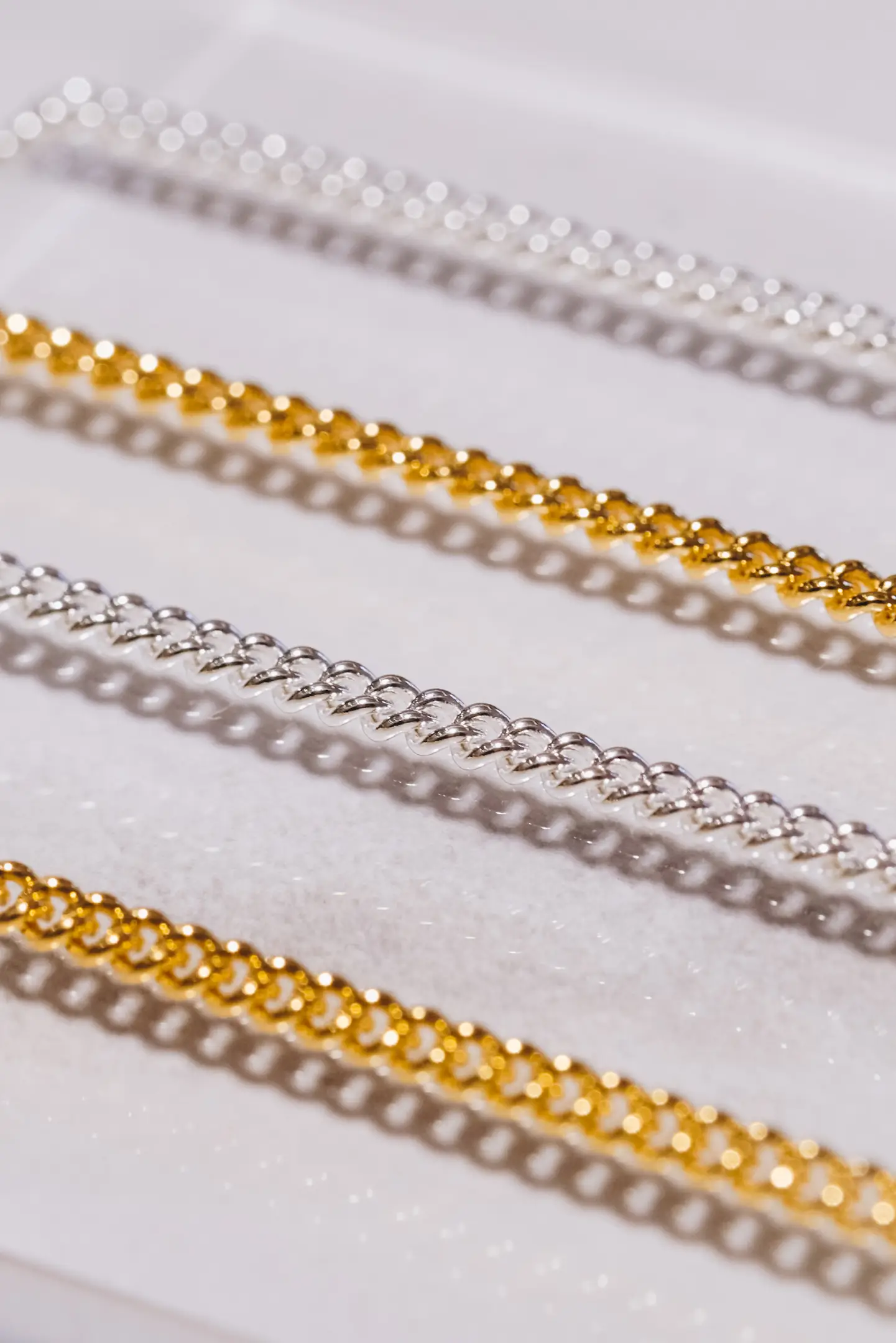
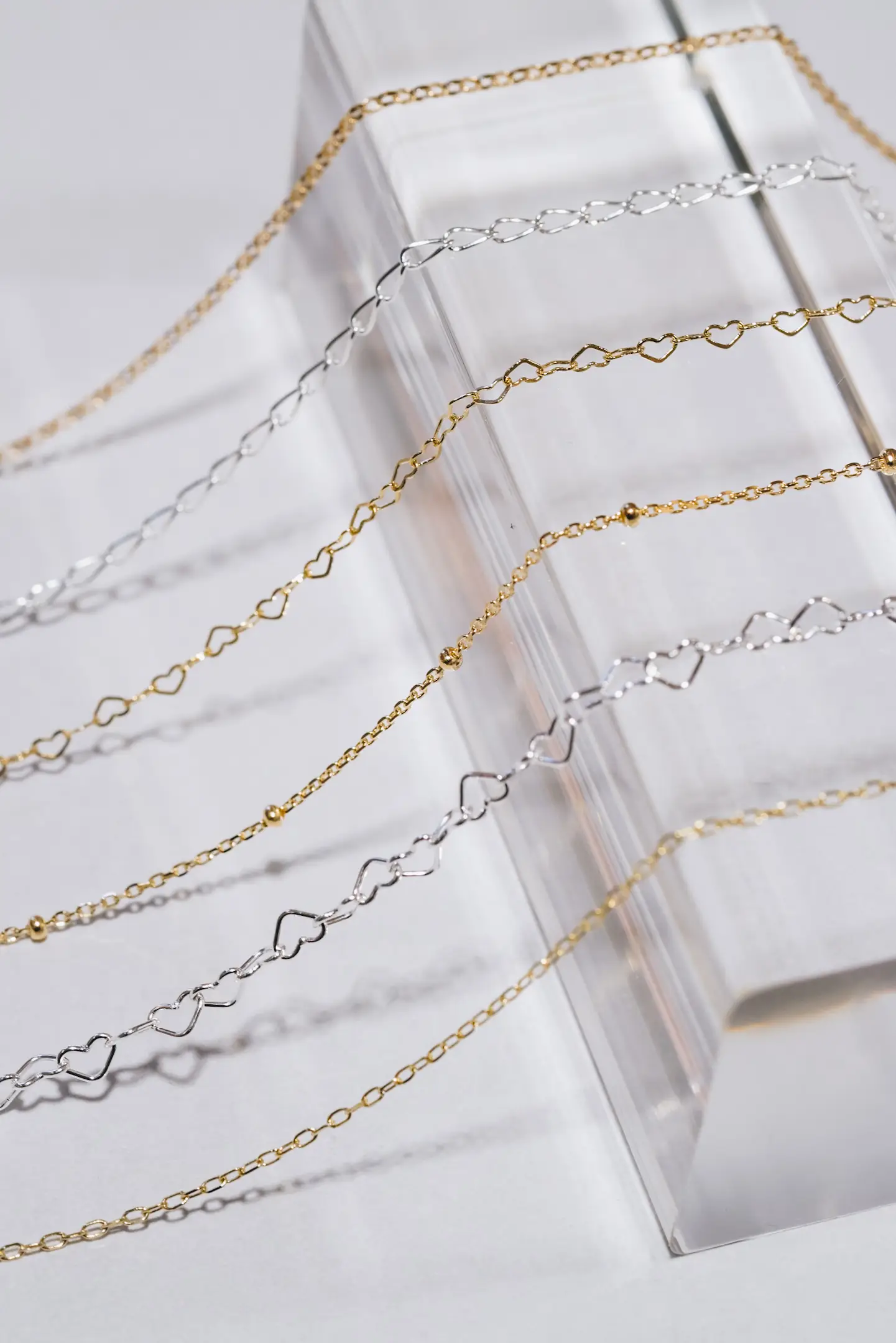
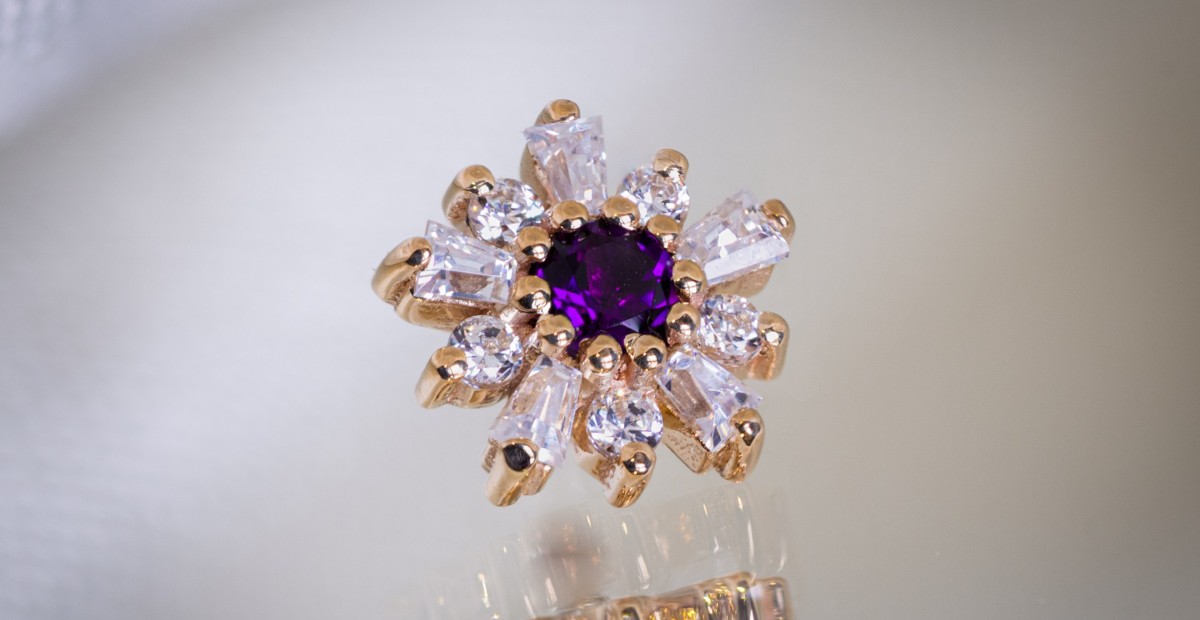
When it comes to solid gold, we differentiate between different karats that indicate the percentage of gold in the alloy. Pure gold is 24 karats, meaning that it consists of 24/24 parts gold. Gold itself is very soft and easily gets damaged due to its properties, which is why it is mixed with other materials (silver, bronze, platinum, etc.) to make it more durable and affordable. In jewelry production, 14kt and 18kt gold are most commonly used. The color (white or rose) also depends on the other materials used; for white gold, white metals such as silver, palladium, or platinum are added. For rose gold, bronze is added, giving it a reddish hue.
Gold Filled
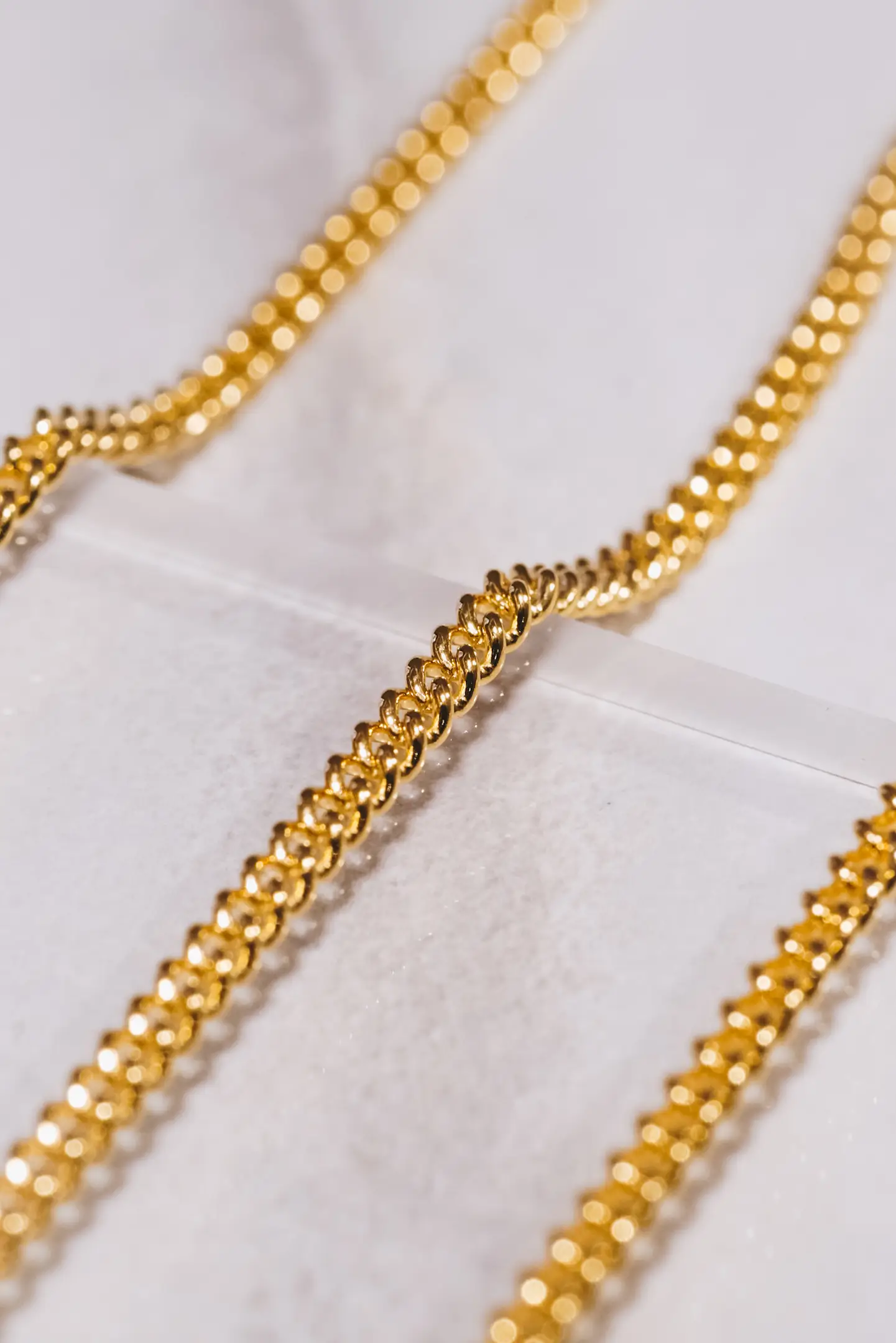
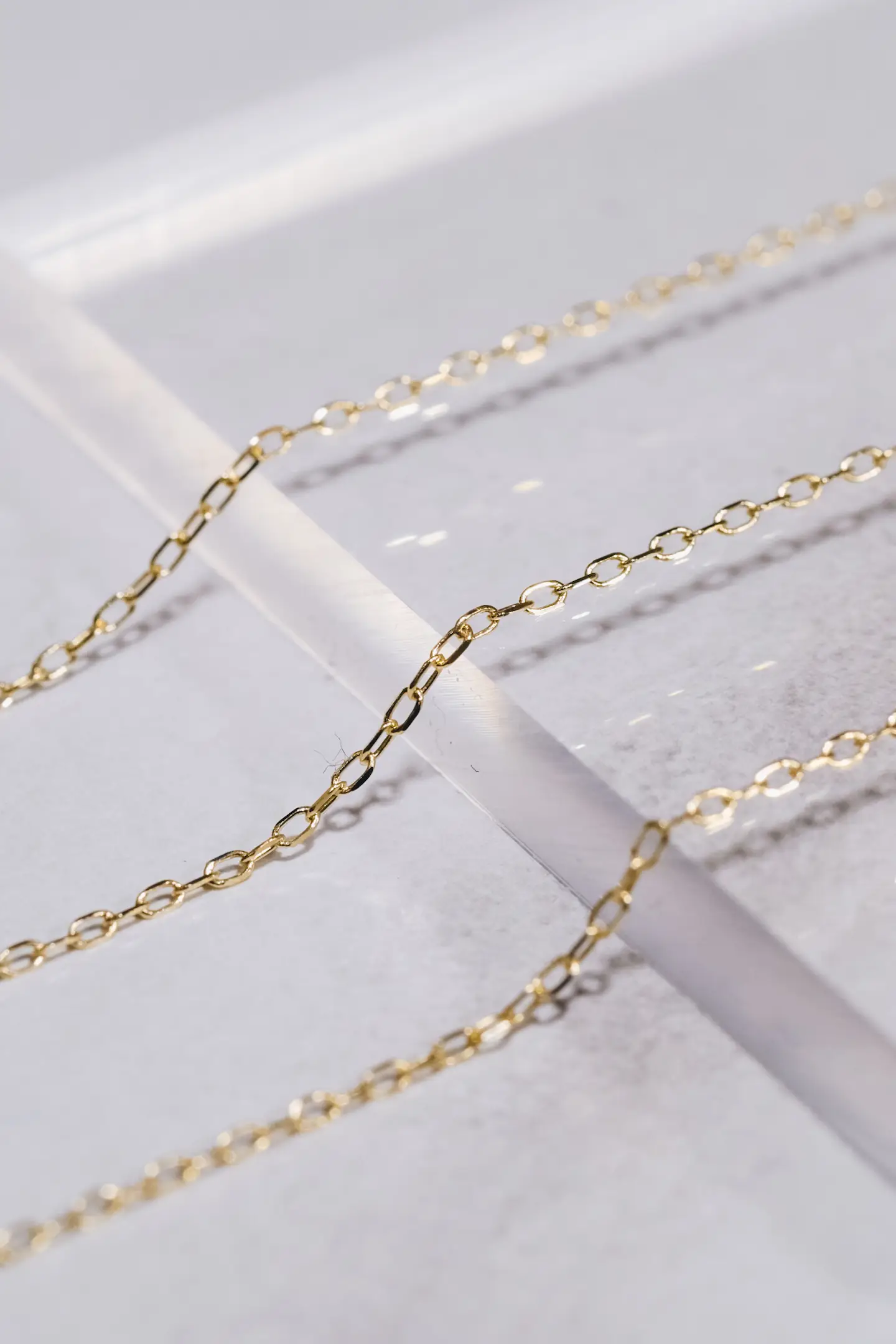
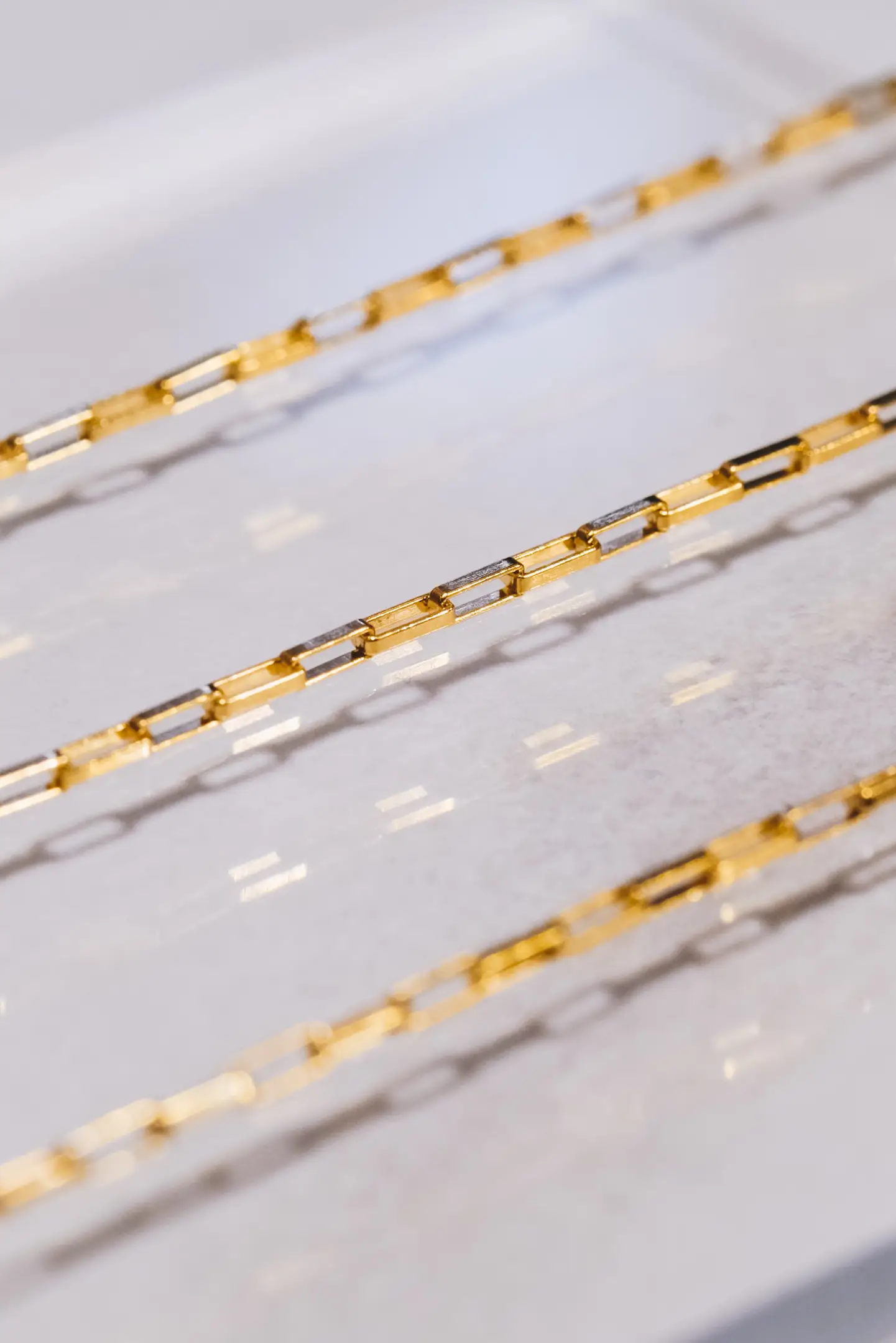
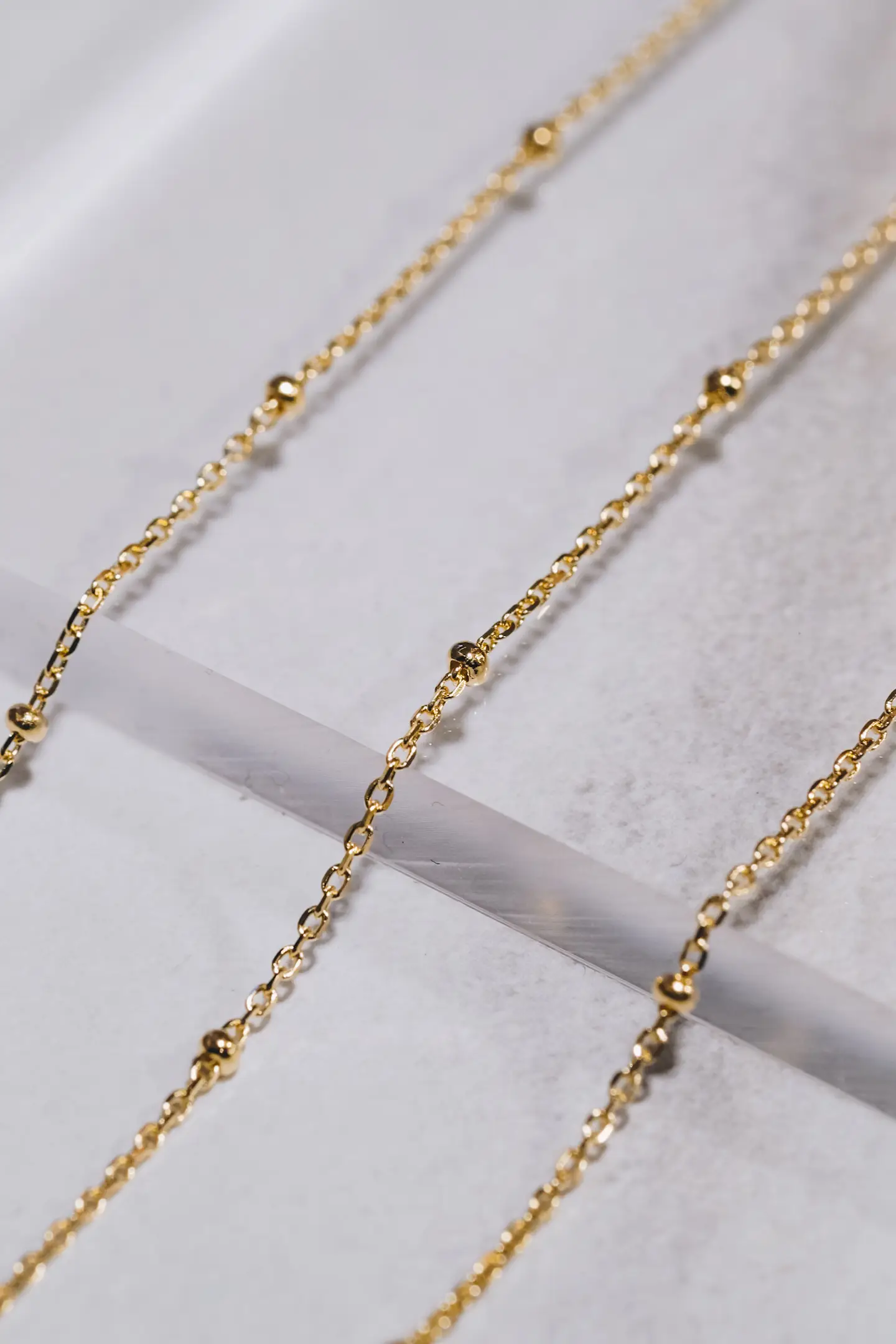
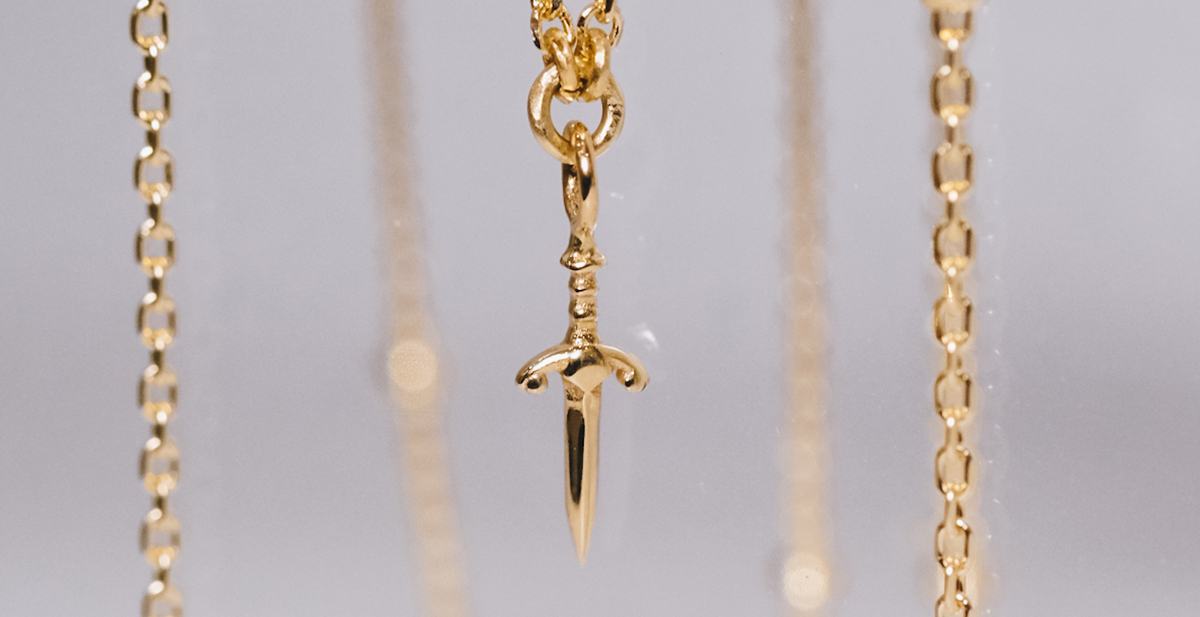
A high-quality yet affordable alternative to solid gold. The jewelry base is usually brass, onto which a layer of gold (most commonly 14kt) is bonded through a high-pressure and high-temperature process. This gold layer must be at least 5% of the total weight to receive the GF (gold filled) designation. A thicker gold layer allows the material to be more affordable while maintaining its quality and properties for long-term and everyday wear. As a result, it is resistant to external conditions such as water, sunlight, and scratches. With proper care, you can enjoy it for many years. In comparison, gold plating contains less than 0.05% gold, making it much more susceptible to damage or wear over time.
Silver
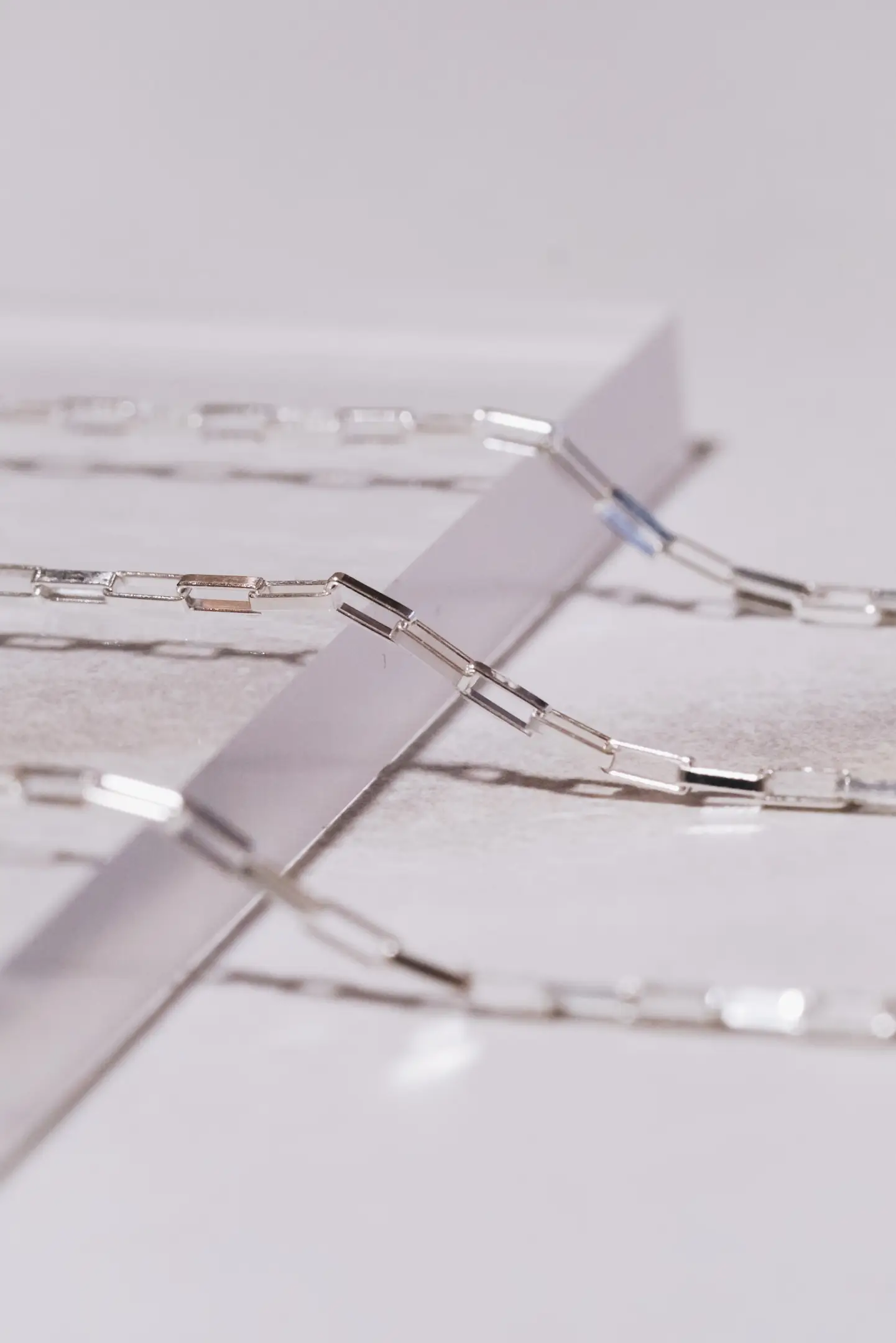
Pure silver, like gold, is a very soft material and is therefore not used in its pure form for jewelry making. Sterling silver is a combination of 92.5% silver, with the remaining alloy usually containing copper or zinc to enhance its strength and durability, making it easier to process and craft into jewelry. Silver is known for its very bright, shiny color, adding a touch of elegance. The only drawback of this material is that it may tarnish over time due to the added elements, which is why regular cleaning and maintenance with appropriate silver cleaning products is important.
How to Take Care of Permanent Jewelry?
Always avoid applying strong chemicals, cleaning agents, lotions, and perfumes directly onto jewelry.
For cleaning, lukewarm water and mild soap (ideally during a shower) are more than sufficient! If cosmetics, skincare products, or dirt accumulate, you can use a soft brush to remove any buildup.
You can also use special polishing cloths designed exclusively for jewelry maintenance.
Even though permanent jewelry is made from high-quality materials to withstand daily and continuous wear, we recommend rinsing it with plain water after exposure to seawater, chlorine in pools, etc.
Also, avoid activities that could potentially damage the jewelry, such as rough sports and similar activities.